
In a world driven by deadlines, notifications, and constant pressure to optimize every minute, journaling and gentle planning offer a quieter alternative. Instead of rigid schedules and productivity guilt, this approach focuses on awareness, emotional clarity, and sustainable rhythm.
Journaling and gentle planning aren’t about doing more — they’re about doing what matters with intention. They help you slow down, reconnect with yourself, and create structure that supports your well-being rather than exhausting it.
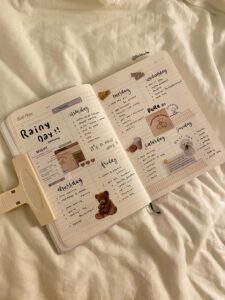
What Journaling and Gentle Planning Really Mean
Traditional planning often revolves around control: time-blocking every hour, maximizing output, and pushing through resistance. Gentle planning shifts the focus from control to care.
Journaling becomes a space to reflect instead of judge. Planning becomes a guide instead of a rulebook. Together, they create a system that adapts to your energy, emotions, and real life.
This approach recognizes that motivation fluctuates, emotions matter, and rest is productive. You plan with compassion, not pressure.
Studies show that expressive journaling can significantly reduce stress and improve emotional regulation by helping people process thoughts and feelings (source). Gentle planning builds on this by translating self-awareness into flexible action.
Journaling as Emotional Grounding, Not Productivity Tracking
Gentle journaling isn’t about tracking every habit or forcing positivity. It’s about honesty.
You might write about:
-
How you’re actually feeling today
-
What’s draining your energy
-
What brought you calm or joy
-
What you need more or less of
This kind of journaling helps externalize thoughts that would otherwise loop in your mind. Research from the University of Texas shows that writing about emotions can improve mental health and reduce anxiety by organizing internal experiences (source).
Instead of asking “What did I accomplish?” gentle journaling asks “How did I experience today?”
Gentle Planning: Structure Without Pressure
Gentle planning doesn’t reject structure — it softens it.
Rather than rigid to-do lists, gentle plans focus on:
-
Priorities instead of endless tasks
-
Energy levels instead of time blocks
-
Intentions instead of expectations
You might plan three main focuses for the day instead of twenty tasks. You might leave space for rest. You might move unfinished items forward without guilt.
This flexibility reduces decision fatigue and emotional burnout. According to research on cognitive load, too many decisions increase stress and reduce effectiveness (source). Gentle planning limits overload by keeping plans simple and human.
Creating a Calm Morning or Evening Practice
One of the most effective ways to combine journaling and gentle planning is through short daily rituals.
A calm morning practice might include:
-
Writing a few thoughts or feelings
-
Setting one main intention for the day
-
Noting what would make the day feel lighter
An evening practice might focus on:
-
Reflecting on what went well
-
Acknowledging emotional moments
-
Releasing unfinished tasks without judgment
These rituals don’t need to be long. Even five minutes creates a sense of closure and clarity. Over time, this consistency builds emotional stability and self-trust.
Letting Go of Perfection and Aesthetic Pressure
Ironically, journaling and planning can become another source of pressure when perfection creeps in. Gentle planning intentionally rejects that.
Your journal doesn’t need to look aesthetic. Your handwriting doesn’t need to be neat. Missed days don’t require catching up.
The goal is presence, not performance.
Perfectionism has been linked to higher levels of anxiety and burnout, particularly when tied to productivity and self-worth (source). Gentle journaling creates space where imperfection is allowed and expected.
Using Journaling to Support Emotional Boundaries
Journaling also plays a powerful role in setting emotional boundaries. Writing helps you notice patterns — what drains you, what energizes you, and what you tolerate unnecessarily.
Through reflection, you may realize:
-
Certain commitments leave you exhausted
-
Certain conversations trigger stress
-
Certain habits no longer serve you
This awareness makes it easier to say no, set limits, and plan your time in alignment with your needs. Gentle planning then reinforces those boundaries by not overbooking or overcommitting yourself.
According to research on self-reflection and emotional regulation, awareness is a key step toward healthier decision-making (source).
Why Journaling and Gentle Planning Feel So Relevant Today
Burnout, anxiety, and emotional fatigue are increasingly common. Many people feel overwhelmed not because they lack discipline, but because they lack softness in how they organize their lives.
Journaling and gentle planning offer relief by slowing the pace and returning control inward. Instead of reacting to external demands, you respond intentionally.
This approach aligns with the growing desire for slower living, emotional wellness, and sustainable productivity. It allows growth without self-neglect.
Choosing a Softer Way to Organize Your Life
Journaling and gentle planning are not about fixing yourself. They’re about supporting yourself.
Some days your plans will shift. Some days your journal will stay closed. That doesn’t mean you’ve failed — it means you’re human.
Over time, these practices create clarity, emotional resilience, and a sense of calm direction. You stop forcing progress and start allowing it.
In a world that constantly demands more, choosing gentleness in how you think, plan, and reflect is a powerful act of self-respect.
For more lifestyle insights, intentional living guides, and mindful routines, visit VybrosNews.