US election anxiety has become one of the defining psychological and cultural forces in America right now. Long before ballots are cast, millions of Americans already feel exhausted, overwhelmed, and emotionally checked out from politics.
This isn’t just about who wins or loses. It’s about how politics now follows people everywhere — phones, social feeds, family dinners, and even workplaces. In 2025, political stress is no longer seasonal. It’s constant.
Here’s why Americans feel more politically drained than ever — and why this anxiety isn’t fading anytime soon.
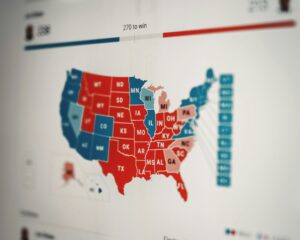
1. Politics Is No Longer Optional
One of the biggest drivers of US election anxiety is the disappearance of escape.
Politics used to live in debates, newspapers, and election cycles. Now it lives in memes, influencer content, podcasts, TikTok lives, and comment sections. Even people who actively avoid political news still encounter it daily.
Algorithms reward outrage, not nuance. And that constant exposure creates emotional fatigue — even among people who don’t identify as political.
2. Trust in Institutions Is Collapsing
Another major reason behind rising US election anxiety is a growing distrust in institutions.
Polls show declining confidence in government, media, and even the electoral process itself. Many Americans no longer believe elections lead to meaningful change — but still feel trapped inside the system.
That combination is dangerous:
low trust + high exposure = chronic stress.
People feel politically alert but powerless, which is one of the strongest drivers of anxiety.
3. Every Election Feels “Existential”
In 2025, elections aren’t framed as policy choices — they’re framed as survival events.
Each cycle is described as the most important election of our lifetime. Each outcome is painted as catastrophic for one side or the other. Over time, this messaging reshapes how people emotionally process politics.
When every election feels existential, the nervous system never gets to rest.
This framing fuels US election anxiety more than any single policy debate ever could.
4. Political Identity Has Replaced Personal Identity
For many Americans, political affiliation has shifted from belief to identity.
Politics now defines friendships, dating choices, family dynamics, and professional relationships. Disagreement isn’t just disagreement — it’s seen as a moral failure.
That social pressure turns every political moment into a personal one. And personal conflict is far more stressful than abstract debate.
5. Information Overload Is Breaking People
Americans aren’t under-informed. They’re over-informed.
The average person consumes political content across multiple platforms daily — often contradictory, emotionally charged, and unverified. This constant intake leaves people feeling confused instead of informed.
According to Google Trends, searches related to political stress and anxiety have steadily increased during major election cycles, reflecting a population overwhelmed by noise rather than clarity.
👉 Source: https://trends.google.com
6. There’s No Clear “Off Season” Anymore
In the past, elections had a rhythm. Campaigns ended. Tension dropped. People moved on.
Now, campaigning never stops.
Fundraising, speculation, legal battles, commentary, and social media discourse continue year-round. Even non-election years feel politically intense, which keeps anxiety levels elevated long-term.
This nonstop cycle leaves no space for emotional recovery.
7. Americans Are Tired — But Still Paying Attention
Here’s the paradox at the heart of US election anxiety:
People say they’re done with politics — yet they keep watching.
They’re tired, cynical, and frustrated, but disengaging feels irresponsible. So they stay plugged in, even when it hurts their mental health.
That tension — caring without hope — is what defines political exhaustion in 2025.
What US Election Anxiety Means Going Forward
As the next election approaches, US election anxiety isn’t likely to fade. If anything, it will intensify.
Expect:
-
More emotional disengagement disguised as apathy
-
Higher stress around political discussions
-
Increased demand for “neutral” or non-political spaces
-
Growing interest in mental health conversations tied to politics
This isn’t just a political issue anymore. It’s a cultural and psychological one.
Final Thoughts
US election anxiety isn’t about weakness or ignorance. It’s a rational response to an environment designed to keep people emotionally activated at all times.
Americans aren’t losing interest in politics.
They’re losing the ability to process it healthily.
For more political and cultural analysis, visit our latest coverage on Vybros News.
